

Best Volleyball Shoes for Liberos: A Complete Buying Guide
Chasing down the right size, comparing confusing shoe features, and wondering whether a young athlete needs a premium model can make volleyball shopping feel harder than it should. For liberos, the decision matters even more. The position demands constant movement, controlled stops, quick lateral reactions, and repeated floor contact.
The best volleyball shoes for liberos provide reliable traction, lateral stability, court feel, lightweight movement, and enough cushioning for a full practice or match. This guide explains what to compare and highlights volleyball footwear available through ST1 Sports’ volleyball shoe collection.
What Makes a Libero’s Movement Different?
Liberos operate primarily in the back row. Their job is to read attacks, move into passing lanes, defend hard-driven balls, and help stabilize the team’s first contact.
Unlike middle blockers and outside hitters, liberos typically do less repeated net play and jumping. Their movement is more focused on:
- Fast lateral shuffles
- Short forward and backward bursts
- Sudden stops and changes of direction
- Low defensive positioning
- Dives, rolls, and floor contacts
- Staying balanced while passing from difficult angles
That movement profile changes how a libero should evaluate shoes. Maximum jumping cushioning is not always the priority. A secure, responsive shoe that keeps the athlete connected to the court can be more useful than a bulky model designed primarily for front-row power.
The Most Important Features to Compare
1. Traction for Quick Stops
Traction is essential for a libero. Defensive movement often requires planting one foot, stopping quickly, and redirecting without losing balance.
Look for an indoor court outsole that provides:
- Consistent grip during lateral movement
- Reliable braking during short sprints
- A tread pattern designed for multi-directional play
- Durable rubber that does not wear down quickly
A sticky outsole can help a libero react with confidence. However, traction depends on the court surface and cleanliness. Dust, moisture, and worn gym floors can reduce grip, so athletes should keep the outsole clean and reserve indoor volleyball shoes for the court.
2. Lateral Stability and Foot Containment
Liberos change direction frequently. A shoe that allows the foot to slide inside the upper can make every shuffle feel unstable.
Check for:
- A secure heel counter
- A snug midfoot fit
- Sidewall support
- A stable platform under the forefoot
- Lacing that keeps the foot locked down without creating pressure points
The shoe should support the foot without feeling rigid. If the heel lifts during a defensive shuffle, the fit is not right, even if the shoe has excellent specifications.
3. Low-to-the-Ground Court Feel
Court feel describes how directly the athlete senses the floor beneath the shoe. Liberos often benefit from a lower, more responsive ride because it can make quick reactions feel more natural.
A strong libero shoe should feel:
- Stable when the athlete gets low
- Responsive during short movements
- Flexible enough for defensive positioning
- Connected to the court without feeling flat or harsh
The goal is balance. An extremely thin shoe may not provide enough impact protection, while an overly thick shoe can feel slower during lateral movement.
4. Lightweight Construction
Liberos cover a lot of court. Excess weight can become noticeable during long practices, tournaments, and multi-match days.
Lightweight construction can help athletes move efficiently, but weight should not be the only deciding factor. A slightly heavier shoe may be the better choice if it provides substantially better support or cushioning.
For most liberos, prioritize this order:
- Correct fit
- Traction
- Lateral stability
- Comfortable court feel
- Weight
5. Moderate Cushioning
Liberos still need cushioning. They drop, dive, stop, and push off repeatedly throughout a match. Young athletes may also need additional comfort as their bodies develop.
Choose cushioning based on the athlete’s needs:
- Moderate cushioning: Best for many high school and club liberos
- More protective cushioning: Useful for athletes who experience foot, ankle, knee, or shin discomfort
- Minimal cushioning: Appropriate only when the athlete is comfortable and prefers maximum court feedback
Cushioning should support movement rather than make the shoe feel unstable.
6. Durable Materials
A libero’s shoes experience repeated stress around the toe box, forefoot, and outside edge. Defensive players may also put additional wear on the upper during dives and floor contact.
Inspect the shoe for:
- Reinforced toe areas
- Durable outsole rubber
- Strong stitching
- A supportive upper that holds its shape
- Materials that can handle frequent practices
A reliable shoe should last through the season when used properly and stored in a cool, dry place.
Best ST1 Sports Volleyball Shoes for Liberos
ST1 Sports carries a focused lineup of Mizuno volleyball footwear for youth athletes, high school players, and competitive programs. Use the following recommendations as a practical starting point rather than a one-size-fits-all ranking.
Best All-Around Option: Mizuno Wave Momentum 4 Elite Unisex
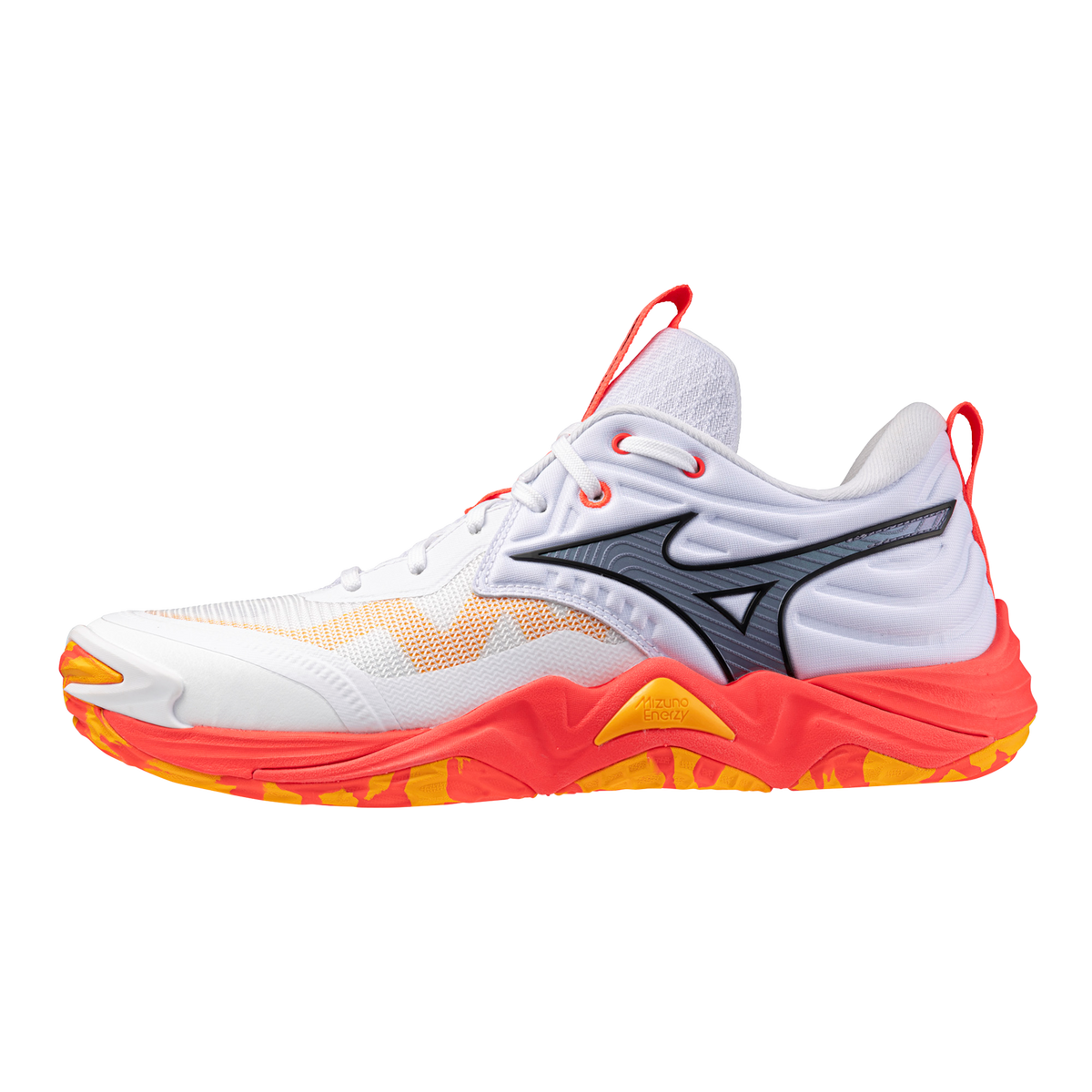
The Mizuno Wave Momentum 4 Elite Unisex is a strong choice for liberos who want cushioning, stability, and a secure performance fit.
ST1 Sports lists this model with Wave plate cushioning and anti-torsion support. Those features make it a good option for athletes who want more structure than an ultra-minimal court shoe.
Best for:
- High school liberos
- Athletes who want additional stability
- Players who train and compete several days per week
- Athletes who prefer a more protective feel
The model is listed at $165 and comes in a broad range of unisex sizes.
Best for Court Feel and Quick Reactions: Mizuno Wave Lightning Elite Unisex
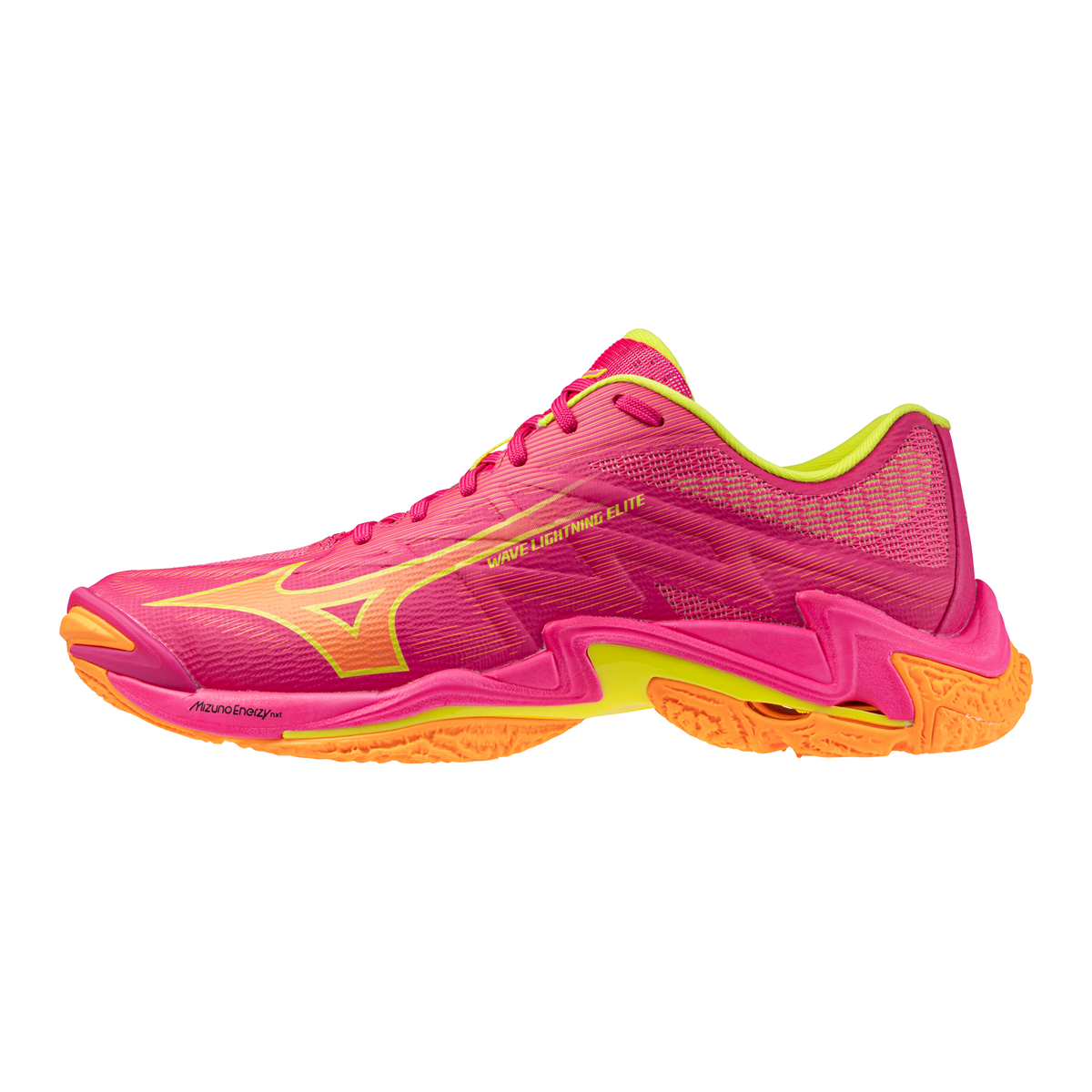
The Mizuno Wave Lightning Elite Unisex is a natural fit for liberos who prioritize responsiveness and fast lateral movement.
ST1 Sports lists the shoe with a Wave plate and gum rubber outsole. That combination makes it worth considering for athletes who want dependable court grip and a more connected feel.
Best for:
- Experienced liberos
- Quick defensive players
- Athletes who prefer responsive shoes
- Players who do not want a bulky ride
The model is listed at $155. Make sure the performance fit feels comfortable across the midfoot before committing to a full season.
Best Pro-Level Value: Mizuno Wave Momentum 4 Pro Womens
The Mizuno Wave Momentum 4 Pro Womens is listed at $120 and features a multi-directional traction outsole.
This model may appeal to high school and club athletes who want volleyball-specific traction and a lower price than elite-tier footwear. It offers a practical balance for a libero who needs reliable movement without selecting the most expensive shoe in the collection.
Best for:
- High school players
- Club athletes
- Players seeking a performance shoe at a lower price
- Athletes who value multi-directional traction
Best Youth Option: Mizuno Cyclone Speed 5 Junior
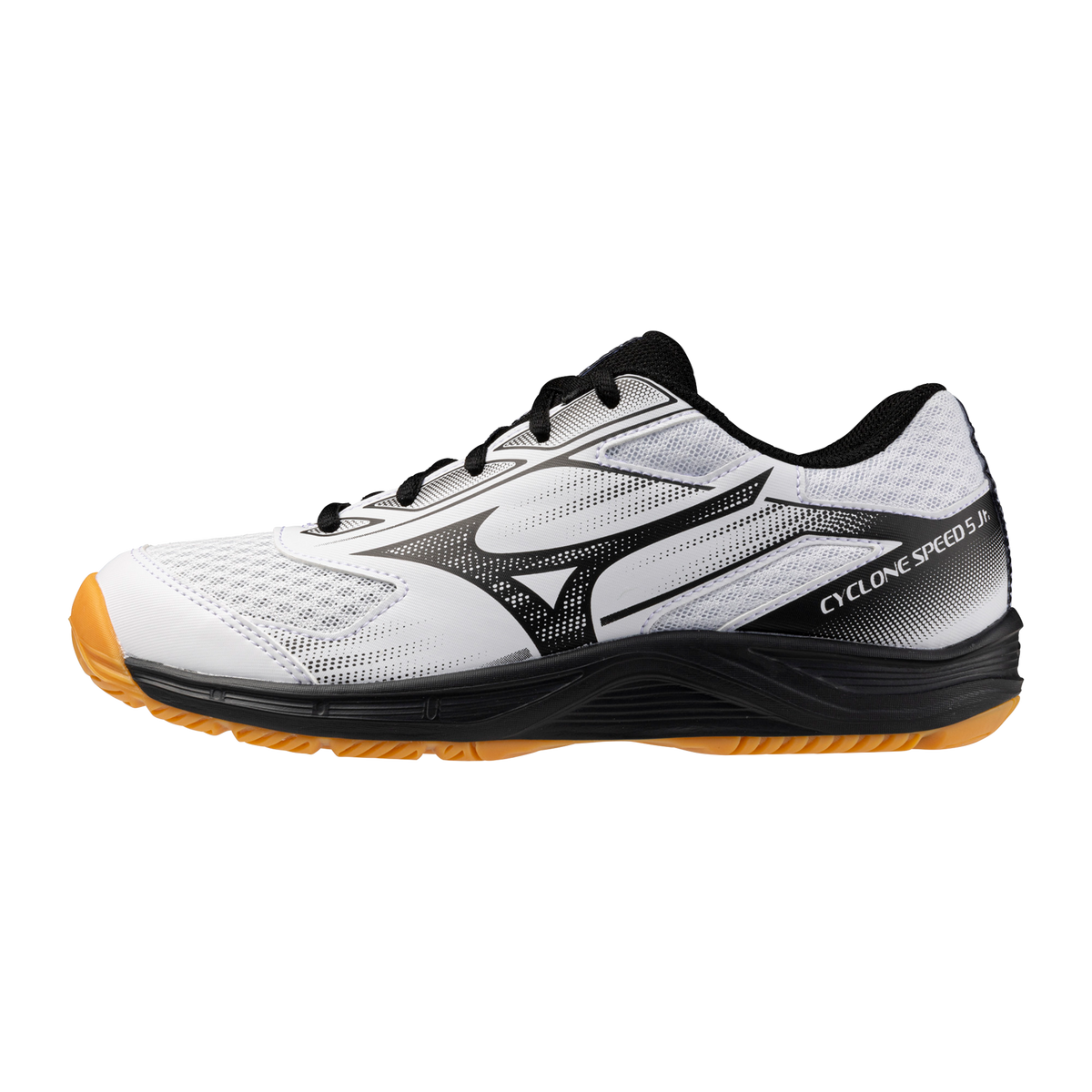
The Mizuno Cyclone Speed 5 Junior is designed for developing players and is listed at $80.
Its lightweight and durable construction makes it a sensible choice for youth liberos who are learning defensive movement, developing court awareness, and still growing. Parents should prioritize a secure fit and appropriate room for the toes rather than buying a shoe several sizes too large.
Best for:
- Youth volleyball players
- Developing liberos
- Beginner and intermediate athletes
- Families managing a growing athlete’s equipment budget
How Should Volleyball Shoes Fit?
Try shoes on with the same type of socks the athlete will wear for volleyball. Test the fit while standing and moving.
Use this checklist:
- The toes should have enough room to move without sliding forward.
- The heel should remain secure during quick shuffles.
- The midfoot should feel snug but not numb or compressed.
- The upper should not pinch across the toes.
- The athlete should be able to bend into a defensive stance comfortably.
- Both feet should be measured because foot size can differ slightly.
Do not assume that sizing is identical between brands or models. Use the product’s available size chart and allow the athlete to walk, shuffle, and perform a few controlled stops before finalizing the choice.
Budgeting for Youth and High School Players
A higher price does not automatically mean a better shoe for every libero. The right model depends on how often the athlete plays and what features matter most.
Consider a premium model when:
- The athlete practices or competes multiple times each week.
- The shoe will be used for a full club or school season.
- The player needs more stability or cushioning.
- The athlete has already outgrown entry-level footwear.
Consider a value-focused model when:
- The athlete is new to volleyball.
- The player is still growing quickly.
- The shoe will be used for occasional practices.
- The family wants volleyball-specific footwear without paying for elite features.
Replace volleyball shoes when the outsole loses grip, the upper begins to separate, or the shoe no longer provides secure support. Worn traction can affect confidence and movement even when the shoe still looks usable.
Team Ordering for Schools and Clubs
Coaches and athletic directors do not need to manage individual shoe requests through spreadsheets. ST1 Sports supports schools, clubs, and organizations with a more organized team-ordering process.
Through a custom team store, programs can:
- Create a centralized place for team gear
- Give families a straightforward ordering experience
- Reduce size and payment confusion
- Coordinate footwear with uniforms and apparel
- Add volleyball player gear such as arm and knee pads
- Request bulk pricing or a custom quote
- Simplify fulfillment from start to finish
A team can also pair footwear with volleyballs, bags, apparel, and practice equipment through the broader volleyball equipment and gear collection.
Final Buying Checklist for Liberos
Before choosing a shoe, confirm that it provides:
- Reliable indoor traction
- Secure heel and midfoot lockdown
- Stable lateral support
- Responsive, low-to-the-ground court feel
- Lightweight construction
- Enough cushioning for the athlete’s workload
- A comfortable, properly measured fit
- Durable materials for repeated practices and matches
The best volleyball shoes for liberos are not necessarily the most expensive or the most heavily cushioned. They are the shoes that help an athlete move confidently, stay balanced, and react without distraction.
For individual athletes, parents, coaches, and athletic directors, ST1 Sports’ volleyball footwear collection offers a trusted place to compare current options. When your program needs a complete ordering solution, contact ST1 Sports for dedicated support, team pricing, and a smooth process from selection through fulfillment.